
While living in Austria is usually more cost-effective than living in the US (depending on the city and region), the cost of moving halfway across the world can be steep. So, if you could get paid to move to Austria, it’s a win-win, right?
Well, it’s not always quite that easy. However, there are a few ways that you can get paid to move to Austria.
Moving to Austria
One of the first things you need to note is that Austria is part of the European Union, or EU. This is a block of 27 countries that have freedom of movement within the member states.
If you’re a permanent resident or citizen of any of these member states, you can live, study, and work within other EU nations without a visa. As such, many people emigrate to EU nations every year.
Austria is a great option as it’s centrally located, is home to a huge range of multinational corporations, has easy access to the mountains, and isn’t as expensive as other Western European countries. There is a huge range of culturally-enriching cities and universities, if you’re looking for a more youthful vibe.


Sponsored Work Visas
The main way that you can get paid to move to Austria is by benefitting from a relocation package as part of a sponsored work visa. Two of the biggest companies in Austria are Siemens and Red Bull. Both companies will sponsor work visas, depending on the role and local competition.
With certain roles and companies, you might be able to negotiate relocation packages. This can include financial and administrative support in getting visas, finding accommodation, moving your stuff, and getting settled in a new community.
This varies depending on the company and role, but for many international companies, this is something that you can take advantage of.
This is something you can broach at the interview stage, or you can ask the recruiter directly at any point in the hiring process. As it’s a sponsored work visa job, the minimum requirement is that they’ll help with the visa process, and this is something that (largely) the business will pay for.
Red-White-Red Card
Most countries have a “Specialist Worker Visa”, and in Austria, this is referred to as the Red-White-Red Card. Within this overarching category, there are seven subcategories. These are:
- Red-White-Red – Card for Skilled Workers in Shortage Occupations
- Red-White-Red – Card for Other Key Workers
- Red-White-Red – Card for Graduates
- Red-White-Red – Card for Very Highly Qualified Workers
- Red-White-Red – Card for Regular Seasonal Workers
- Red-White-Red – Card for Self-Employed Key Workers
- Red-White-Red – Card for Start-Up Founders
The key information for getting this work permit, which lasts for up to two years, is a skilled job, a valid job offer, and a desire to live in Austria permanently (not seasonally). You can also bring your family on this visa with the Red-White-Red-Card Plus.
The exemptions to these rules are the self-employed key workers, start-up founders, and regular seasonal workers. For the first two, if you have financial capital and a business plan to benefit the Austrian economy, in a niche that isn’t covered, you can get one of these permits.
For regular seasonal workers, if you’ve been a registered seasonal worker for two years or more and have a decent grasp of German, you can get one of these work permits. It makes it easier than having to repeatedly get 3-6 month work permits for various seasonal gigs.
The minimum monthly salary requirement for a Red-White-Red-Card is €3,225 per month before taxes. So, it is a skilled worker’s salary, rather than a more casual worker’s salary.
While you still need a job offer, it’s not specifically sponsored by your employer; therefore, they don’t have to pay for the visa.
Again, you may be able to get relocation support for your move from your employer. If you’re a graduate, you may benefit from graduate schemes and bursaries, and if you’re starting a business, you may find relevant grants that’ll help it feel like you’re getting paid to move to Austria.
Get Paid To Study
If you’re looking to study abroad, you may be able to get paid to move to Austria. This would be in the form of grants and bursaries. This is for more high-level research, like PhDs or research grants.
For this, the Institute of Science and Technology Austria (ISTA) is known to help fund research projects, including the researcher’s living costs and salary for the duration of the project.
These are very industry-specific and work on an academic grant cycle. That means you often need backing from an institution, and work with a partner institution in Austria that will be willing to host you and your project if your grant is successful.
If you’re applying for undergraduate and postgraduate courses in Austria, you may be able to find bursaries and grants to help support your living costs. This will depend on the individual university and your financial situation.


Popular Types of Move Abroad Jobs
As with many nations, there are a few types of jobs that inherently mean that you can get paid to move to Austria. Some are more reliable than others, and a couple require you to have experience or qualifications, but these are widely available.
Seasonal Jobs
As there is a huge ski culture in Austria, there is a wealth of seasonal jobs available in the mountains during the winter season. Whether you’re a ski or snowboarding instructor, want to work as a bartender or chalet assistant, or help around the resorts, there are plenty of jobs available each season.
Depending on the role, you can get packages that include accommodation, meals, lift passes, ski rentals, and more, on top of a basic salary. These remuneration packages are usually pretty great if you love spending time on the slopes.
The main downside is that it’s not a long-term solution, unless you’ve been a registered seasonal worker for two years.
Teach English
Teaching a language is a classic way to get paid to move abroad. Austria primarily speaks German, so there are opportunities to teach English here, especially if you have prior experience, are a native English speaker, or have a CELTA, TEFL, or TESOL qualification.

As with many other nations, if you get a job as an English teacher, some recruitment agencies will help with accommodation, visas, and flights to help you get started. Of course, this varies depending on the individual language school and if they’re part of a larger agency to find language teachers.
Au Pair
Another classic work abroad role that could mean that you get paid to move to Austria is becoming an au pair. If you have any childcare experience, you can likely sign up for agency services that match au pairs with families in need. You can usually specify a couple of destinations and wait for a match.
Much like with the teaching recruitment agencies, the au pair companies will help with visas and flights to Austria. As an au pair, you’ll typically be living with the family you work for, so accommodation is inherently taken care of.
Famously, au pairs aren’t paid all that well. It’s usually around $800 a month. However, there aren’t really any outgoings to pay for. You eat with the family a lot of the time, and in some cases, you’ll have access to a family car and go away with the family on vacations.
I‘ve lived abroad for many years and love helping others find work abroad and figure out their “Move Abroad Plan.” Check out my class below to get you started ASAP!


Popular Cities in Austria for Expats
If you’re moving to Austria, there are a few cities to choose from. Some will have more expats than others, while some spots will have more peaceful, natural vibes.
Vienna
The capital of Austria, Vienna, is the main spot for expats in Austria. It’s where a lot of the major corporations are based and is home to the best transport links.
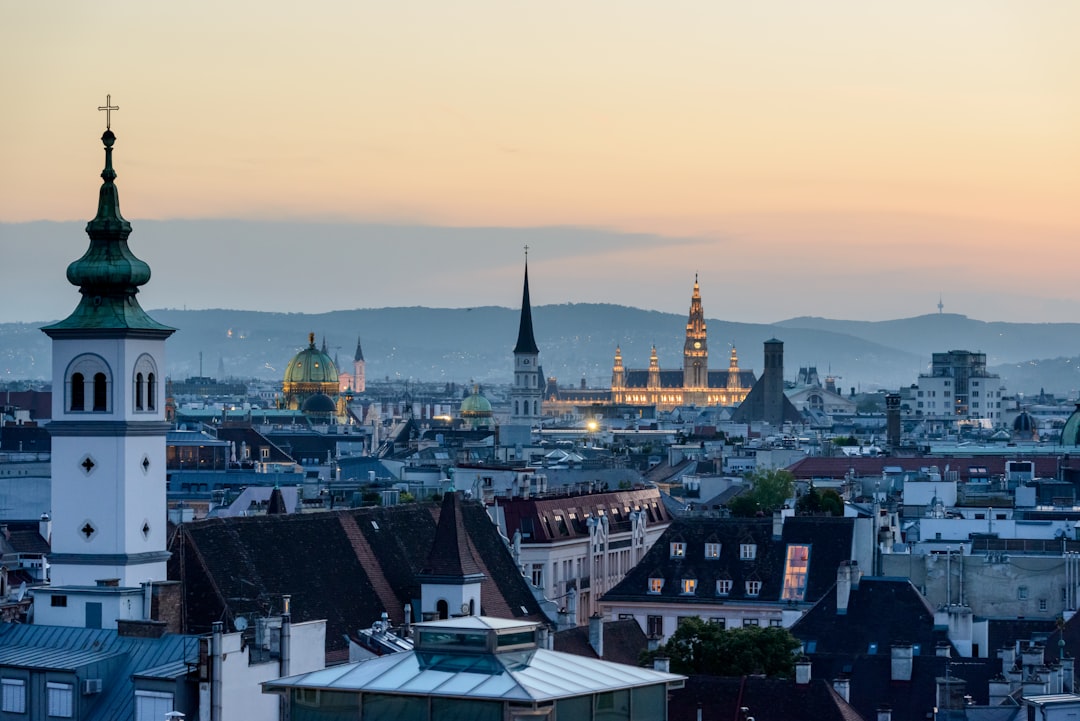
There are centuries of history in this city, and you can spend your days wandering along the Danube and heading out on day trips to neighboring capitals like Budapest with speedy rail links.
Salzburg
If you’re into Mozart and The Sound of Music, Salzburg is going to be the place for you. This is the city that is famous for both.
It’s also where the Red Bull main headquarters are, so it’s very much an international city. While it’s smaller than Vienna, it still has all the main city amenities and an airport that connects across Europe.
Innsbruck
Want to be in and around the Austrian Alps? Well, then you should move to Innsbruck. This is the hub of Austrian skiing in the winter and hiking and mountain biking in the summer.
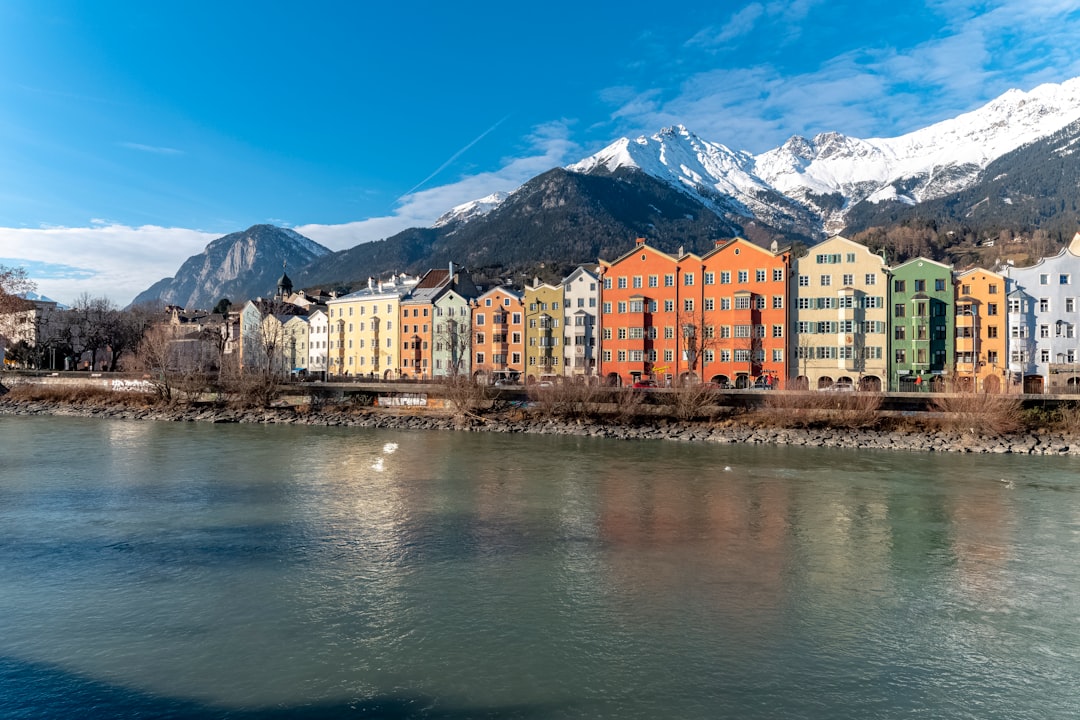
It has gorgeous Alpine architecture, and it feels like a walkable village in places. Of course, it gets super busy in ski season, but it’s relatively chill the rest of the year.
Graz
For a small-city experience, check out Graz. The historic city center is a UNESCO World Heritage Site, and it’s known for its art museums and foodie culture.
It’s a lot slower and more laid back than Vienna, but it still has a wealth of culture and history. As it’s smaller, it also feels more like a large town and has a community feel among the expats that live there.
Linz
For a more academic small city, head to Linz. It’s known for its illustrious university and museums, so if you’re studying, researching, or teaching, this is a great place to be.
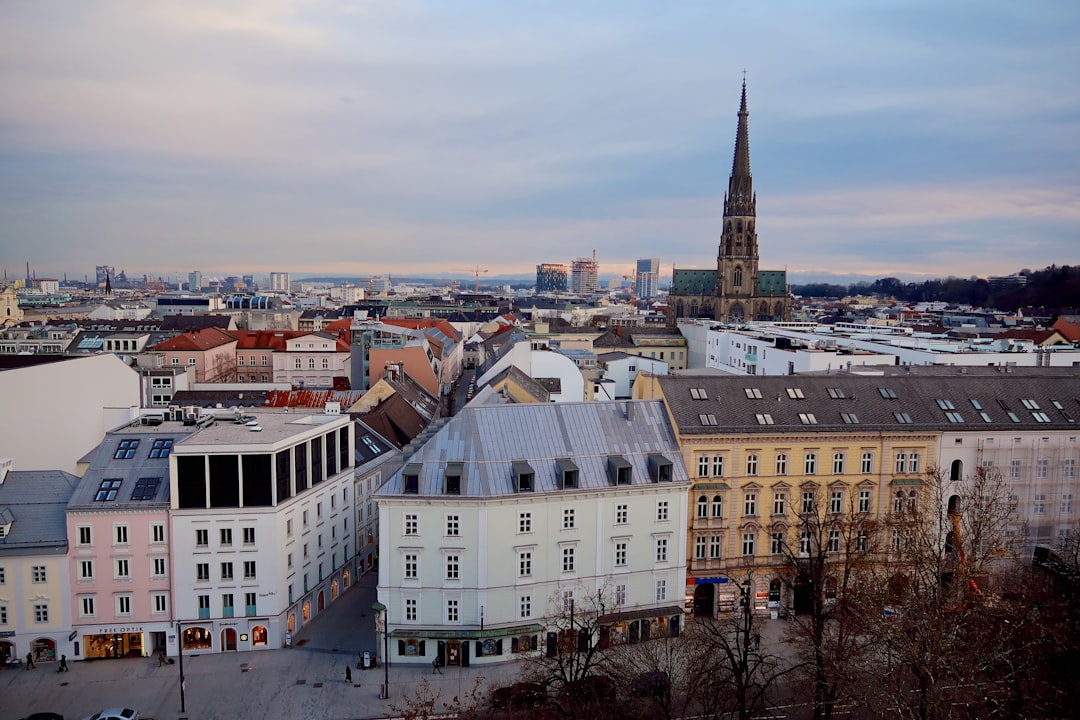
Since it’s a university city, there’s also a huge range of people from all over the world, and some budget-friendly spots to keep the students happy. It’s also between Salzburg and Vienna, so you can easily access either larger city.
There’s no direct government relocation payment, but you can effectively get paid to move through employer relocation packages tied to sponsored work visas. Companies like Red Bull and Siemens sponsor work visas and may cover visa costs, accommodation, moving expenses, and settling-in support. Research grants and study bursaries can also fund your move.
The Red-White-Red Card is a specialist program for highly skilled workers who want to move and work in Austria. It provides a pathway to residency through employer sponsorship and is aimed at workers in high-demand fields.
Yes. Austria has a huge ski culture, so there are plenty of seasonal jobs in mountain resorts during winter. Roles include ski and snowboard instructors, bartenders, and chalet assistants. Many packages include accommodation, meals, lift passes, and ski rentals on top of a basic salary.
Potentially, yes. The Institute of Science and Technology Austria (ISTA) funds research projects including living costs and salary for PhD-level researchers. Universities may also offer bursaries and grants for undergraduate and postgraduate students depending on financial situation.
Many international companies based in Austria offer relocation packages that can include visa processing, accommodation assistance, moving costs, and help settling into a new community. This is something you can ask about during the interview or directly with the recruiter
Yes. Austria is one of 27 EU member states, which means once you have permanent residency or citizenship, you can live, study, and work across all EU countries without a visa.
Vanessa Wachtmeister is a travel tech professional and the creator of the wealth & wanderlust platform, Wander Onwards. Vanessa is originally from Los Angeles, California, she is a proud Chicana, and she has been living abroad for the last 9 years. Today, she helps people pursue financial and location independence through her ‘Move Abroad’ Master Class, financial literacy digital products, and career workshops.